
Greenhouses and climate
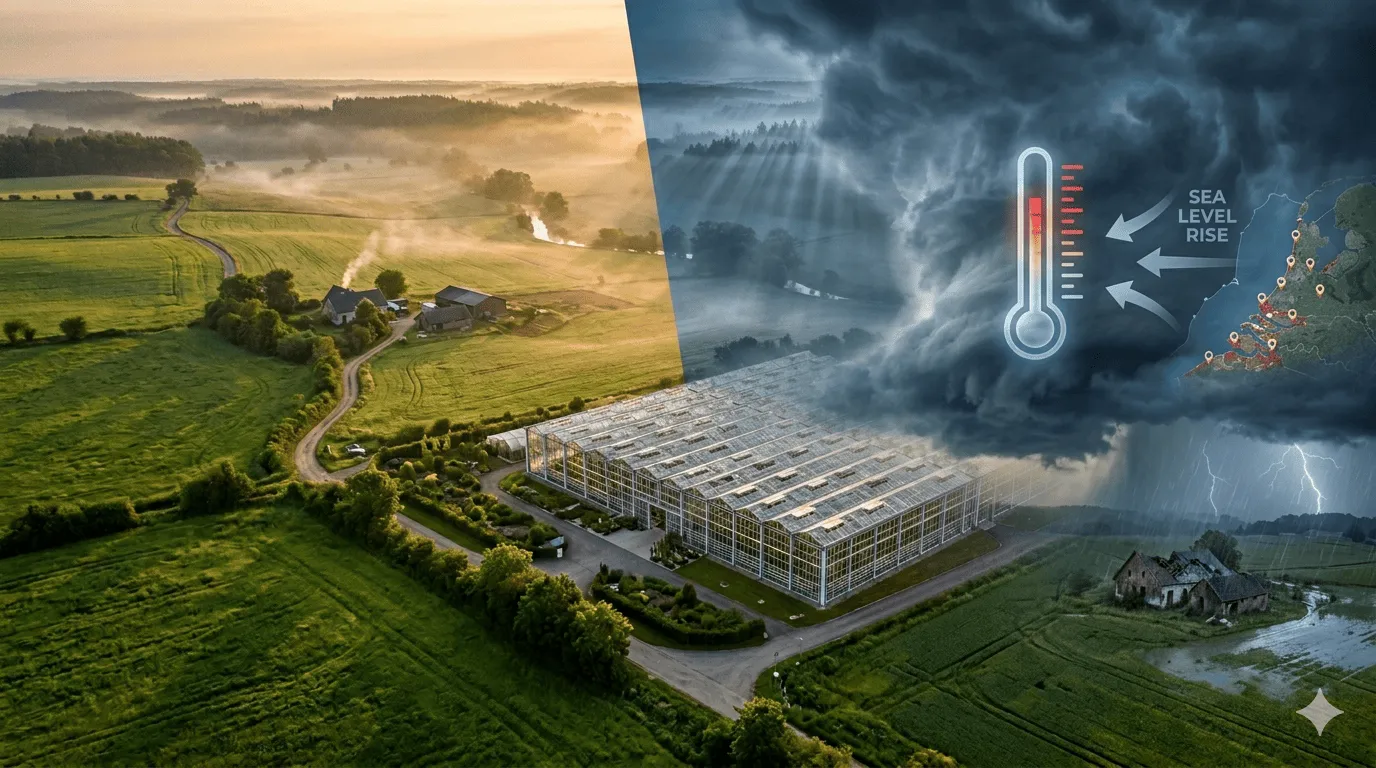
The greenhouse structure and the greenhouse effect share more than a name. Understanding how they connect is the first step toward sustainable growing and meaningful climate action.
When sunlight enters a glass greenhouse, the heat it produces becomes trapped inside warming the air and creating the perfect environment for plants to grow. This is exactly how greenhouse gases work in our atmosphere. Carbon dioxide, methane, and nitrous oxide act like the glass panels of a giant greenhouse around the Earth, trapping heat that would otherwise escape into space. The result, when these gases build up too much, is a warming planet. Understanding this connection is not just interesting science — it is the foundation of the entire climate conversation.
How a greenhouse actually works
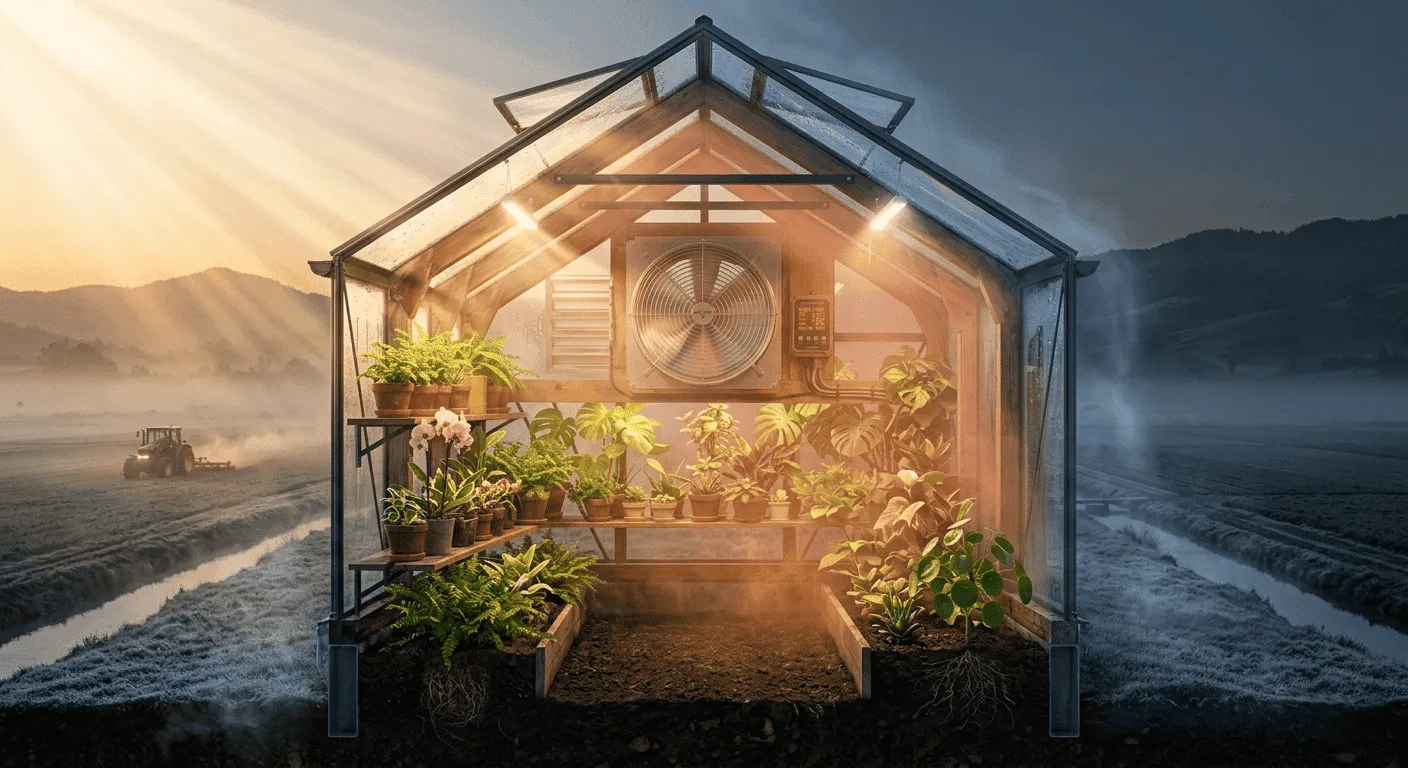
A physical greenhouse works by allowing short-wave solar radiation to pass through its glass or polycarbonate panels. Once inside, this energy is absorbed by plants, soil, and surfaces, which then re-emit it as longer-wave infrared heat. The panels prevent this heat from escaping creating a warm, stable microclimate ideal for growing. This same principle, scaled to a planetary level, is what makes greenhouse gases so significant. The more CO₂ and methane in the atmosphere, the more heat is retained and the more the global climate shifts.
Two greenhouses — one principle
The physical greenhouse
Glass or polycarbonate panels trap solar heat inside. Growers use this to extend growing seasons, protect plants from cold, and control humidity. The effect is local, controlled, and beneficial for food production.
The atmospheric greenhouse effect
Greenhouse gases in the atmosphere trap solar heat around the entire planet. When kept in natural balance, this effect keeps Earth habitable. When disrupted by human emissions, it drives climate change.
The main greenhouse gases and where they come from
Carbon dioxide (CO₂)
burning fossil fuels, deforestation, and cement production. The most well-known greenhouse gas, responsible for around 76% of total global emissions
Methane (CH₄)
livestock digestion, rice paddies, landfill waste, and natural gas leaks. Around 80 times more potent than CO₂ over a 20-year period
Nitrous oxide (N₂O)
agricultural fertilisers and livestock manure. Particularly significant for the farming and growing sector
Fluorinated gases
industrial processes and refrigeration systems. Long-lasting in the atmosphere and very high in warming potential
Water vapour
the most abundant greenhouse gas naturally, but it amplifies the effect of the others when they increase
Growers and climate action
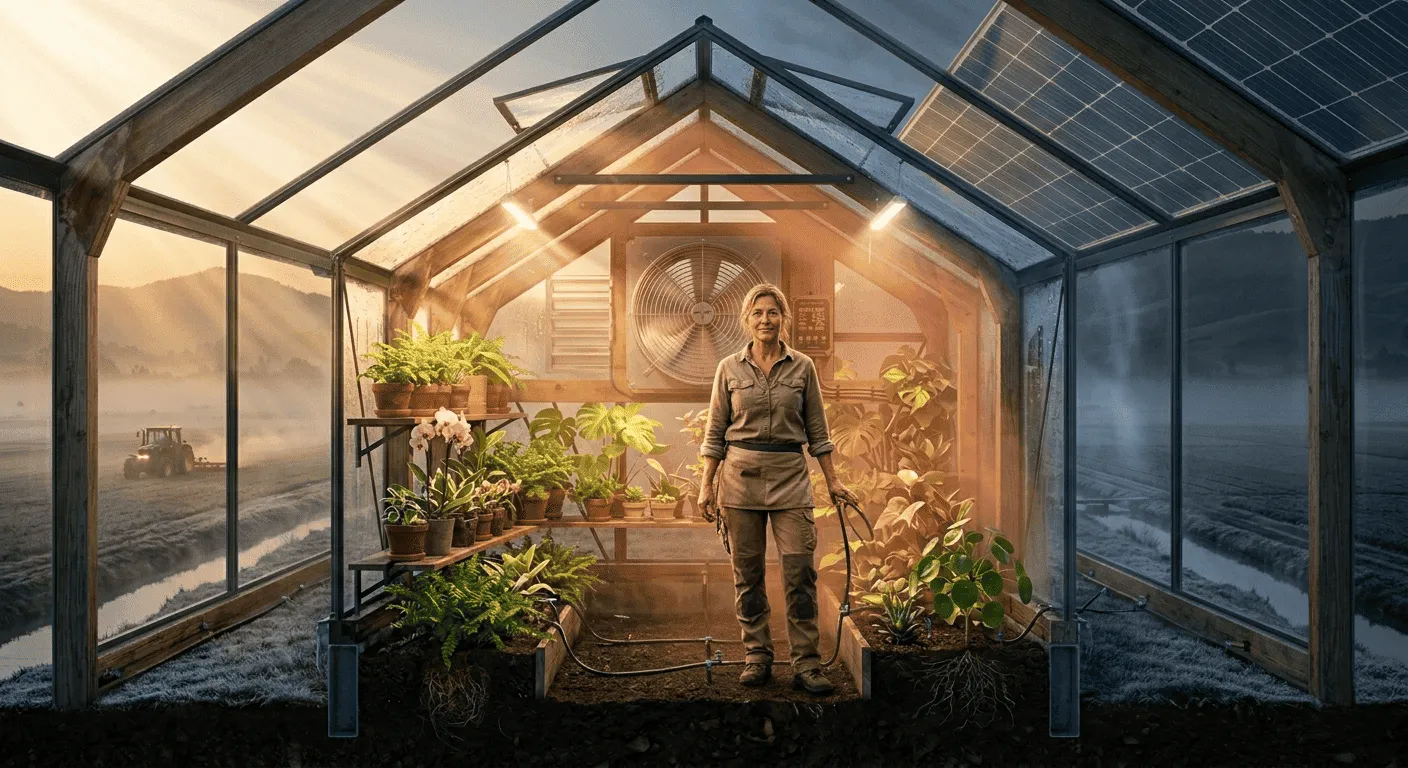
Growing operations from small hobby greenhouses to large commercial farms contribute to greenhouse gas emissions in several ways: heating systems, electricity use, fertiliser application, and transport of produce. But they also have unique opportunities to reduce emissions. Solar-powered greenhouses, drip irrigation, organic growing practices, and careful fertiliser management can significantly cut a growing operation's carbon footprint. Under the GHG Protocol, these reductions can be measured, reported, and verified turning your greenhouse into a climate asset rather than a liability.
4 ways to reduce emissions from your growing operation
Switch to renewable energy
solar panels or green electricity tariffs eliminate Scope 2 emissions from your growing operation entirely
Upgrade your heating
replace gas or oil heaters with heat pumps or biomass systems to cut Scope 1 direct emissions
Reduce fertiliser use
apply only what your crops need, when they need it, to minimise nitrous oxide (N₂O) emissions from the soil
Measure and track
use the GHG Protocol framework to calculate your baseline emissions and set annual reduction targets

From growing plants to growing responsibility
The greenhouse has always been a symbol of care for plants, for seasons, for the food we grow. Today, that same spirit of care needs to extend to the atmosphere that makes all growing possible. Whether you are building your first hobby greenhouse or managing a commercial operation, understanding the connection between greenhouses and greenhouse gases puts you ahead of where the world is heading.