

The GHG Protocol explained
A clear, factual guide to the world's most widely used framework for measuring and managing carbon emissions
The Greenhouse Gas (GHG) Protocol is the international standard that organisations around the world use to measure, manage, and report their greenhouse gas emissions. Developed jointly by the World Resources Institute (WRI) and the World Business Council for Sustainable Development (WBCSD), it provides a consistent framework that allows businesses, governments, and investors to speak the same language when it comes to climate accountability. If your business is serious about sustainability, understanding the GHG Protocol is not optional — it is the foundation of everything.
The three scopes of emissions
Scope 1 — Direct emissions
Emissions your business produces directly. Examples: company vehicles, gas boilers, on-site manufacturing. You own the source you own the emission.
Scope 2 — Indirect energy
Emissions from the electricity and heat you purchase. You don't burn the fuel yourself but you create the demand for it. Switching to renewables cuts Scope 2 to near zero.
Scope 3 — Value chain
All other indirect emissions suppliers, business travel, product use, waste. Often the largest category for most businesses. The hardest to measure but the biggest opportunity.
Why GHG Protocol exists
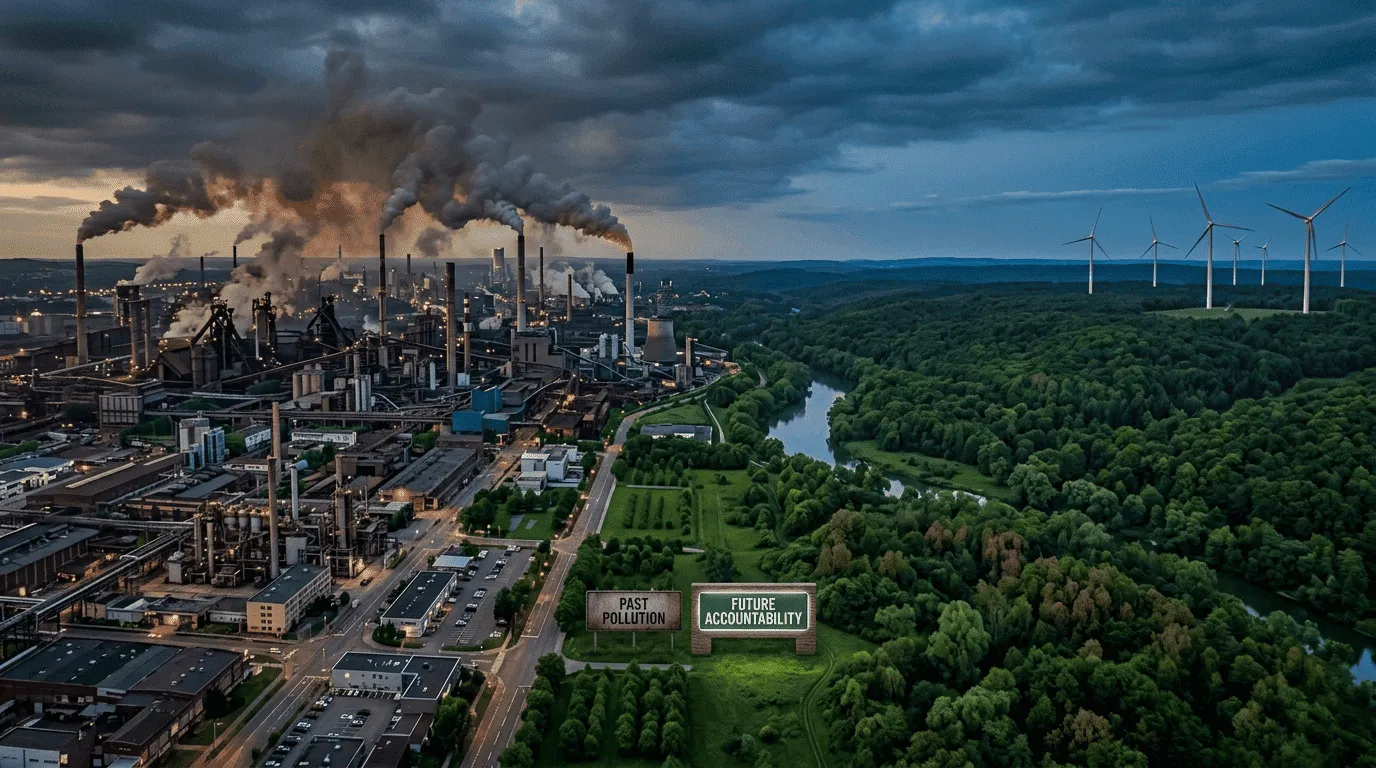
Before the GHG Protocol existed, every company measured its emissions differently making comparison, accountability, and progress almost impossible. The GHG Protocol was created in 1998 to solve this problem. It established a universal accounting language for carbon, just as financial accounting standards did for money. Today it underpins nearly every major national and corporate climate reporting framework in the world, including the EU's CSRD, the SEC climate disclosure rules, and the Science Based Targets initiative (SBTi).
Who uses the GHG Protocol and why
Large corporations
to meet investor and regulatory reporting requirements
SMEs and growing businesses
to prepare for mandatory disclosure rules arriving in the EU and US
Governments and municipalities
to track national and regional emissions targets
Agricultural businesses
to measure emissions from land use, fertilisers, and machinery
Supply chain managers
to understand and reduce Scope 3 emissions across suppliers
Sustainability consultants
as the foundation for all client carbon accounting work
How to start reporting under the GHG Protocol
Define your organisational boundary
decide which operations and subsidiaries you are responsible for
Choose your base year
the starting point against which future progress is measured
Identify and collect emissions data across Scope 1, 2, and 3 sources
Apply GHG Protocol calculation methods
to convert activity data into CO₂ equivalent figures
Report publicly and set reduction targets
aligned with science-based pathways

The GHG Protocol and agriculture
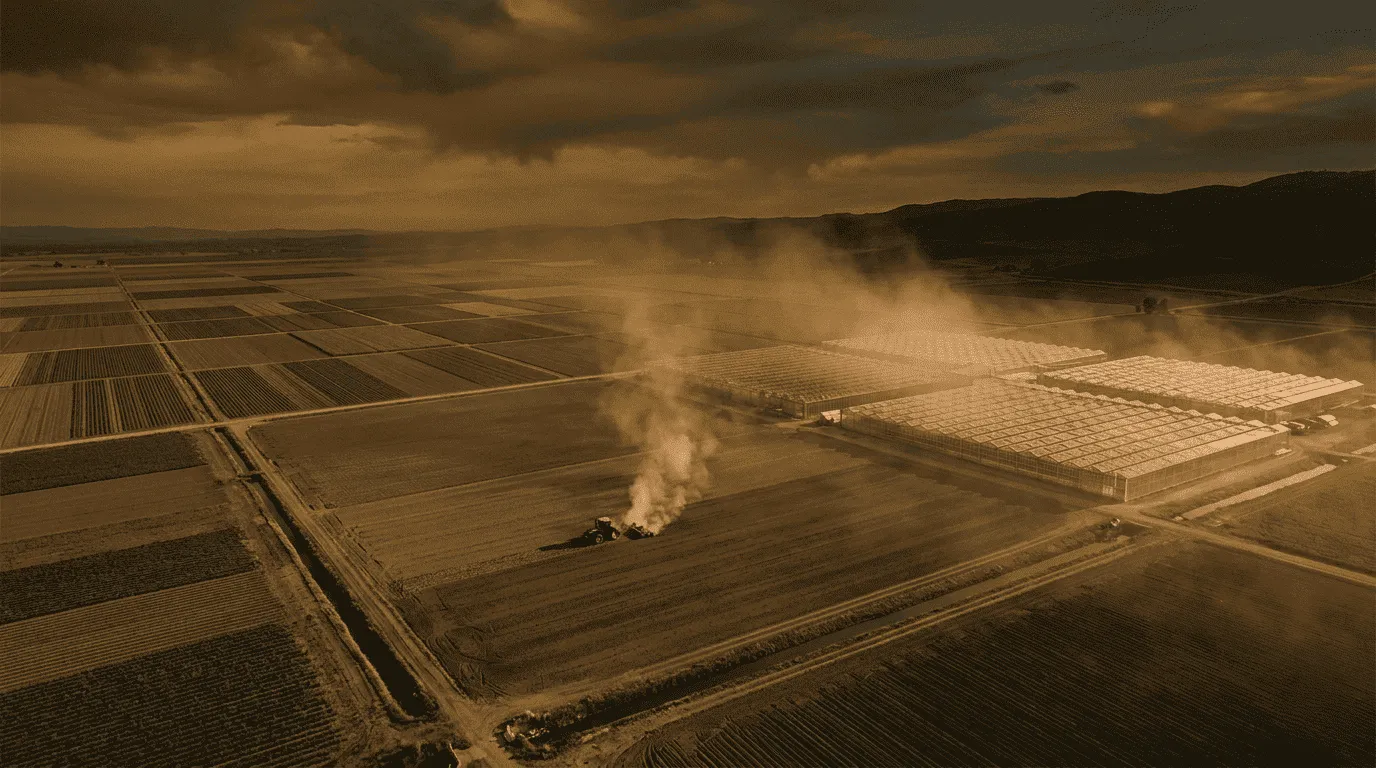
Agriculture accounts for approximately 10–12% of global greenhouse gas emissions making it one of the most significant sectors the GHG Protocol addresses. Emissions come from multiple sources: livestock (methane), fertiliser application (nitrous oxide), land-use change, and energy used in growing operations including greenhouses. The GHG Protocol's Agriculture Guidance provides specific tools for farm businesses and food companies to accurately measure and report these emissions, helping the sector transition toward net zero.
Start your GHG journey today
Understanding the GHG Protocol is the first step toward meaningful climate action for any business. Whether you are just beginning to think about your emissions or are ready to set science-based targets, the framework gives you the structure you need to make progress that is measurable, credible, and comparable. Explore our sustainability tips to see how even the way you grow and build can contribute to a lower-carbon future.